
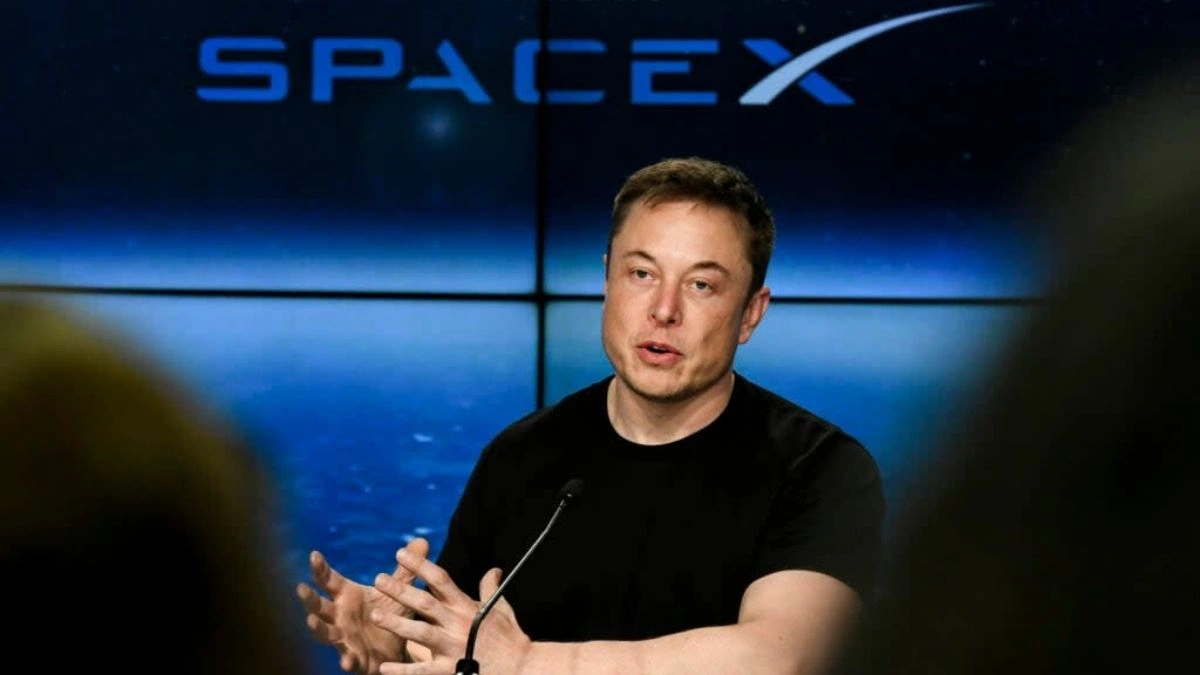
Elon Musk has sparked fresh debate after claiming that future advances in artificial intelligence could make traditional retirement savings unnecessary.
During a resurfaced interview on the Moonshots with Peter Diamandis podcast, Musk suggested that people may not need to worry about building retirement funds over the next decade because AI-driven productivity could dramatically reshape the global economy.
Musk Predicts AI Will Replace Many Jobs
According to Musk, artificial intelligence is already capable of handling a large share of human tasks.
He stated that AI can currently perform “half or more” of jobs that don’t involve physically manipulating atoms. He also predicted that by 2030, AI could become smarter than all humans combined.
Musk believes this technological leap will significantly improve productivity across multiple industries, including:
- Healthcare
- Education
- Consumer goods
- Public services
- Manufacturing
He argued that AI could remove scarcity by making goods and services more affordable and widely available.
Why Musk Thinks Retirement Savings May Become Less Important
Musk claimed that as AI boosts economic output, concerns about saving money for retirement may become irrelevant.
According to his view, the rapid growth in goods and services could outpace concerns about money supply and inflation.
His comments suggested that future economies may operate very differently than today’s retirement models, where workers save for decades to fund their later years.
Financial Experts Strongly Disagree
While Musk remains optimistic, most financial experts are urging Americans to continue saving aggressively for retirement.
A recent Northwestern Mutual 2026 study found that Americans now need approximately $1.46 million to retire comfortably.
That figure increased by nearly $200,000 compared to last year, largely due to:
- Rising inflation
- Longer life expectancy
- Increasing healthcare expenses
- Ongoing uncertainty surrounding Social Security Administration benefits
Americans Face a Growing Retirement Savings Gap
The report also revealed that the average American currently has only $87,000 saved for retirement, creating a major financial gap.
As living costs continue rising, many households are reconsidering retirement timelines and exploring alternative financial strategies.
Experts warn that relying solely on future AI breakthroughs could be risky, especially since retirement expenses remain a real concern today.
Could AI Really Change Retirement Planning?
Although AI continues transforming industries at a rapid pace, financial planners say it’s too early to assume traditional retirement planning will disappear.
While automation may create economic benefits, uncertainties around job markets, wages, inflation, and government benefits remain unresolved.